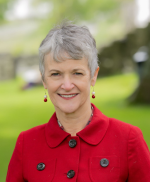
Professor Caroline Homer AO
Caroline Homer is Deputy Director, Gender Equity, Diversity and Inclusion and co-head of Global Women and Newborn Health at the Burnet Institute and Emeritus Professor of Midwifery at the University of Technology Sydney. She holds an NHMRC Investigator Fellowship Grant. Caroline is a proud Life Member of the ACM. Caroline has led research and development in midwifery, maternal and newborn health for in Australia and across the Asia-Pacific region for more than 25 years. She is the Chair of WHO’s Strategic Technical Advisory Committee for Maternal, Child and Adolescent Health and Nutrition. She has been a member of WHO Guideline Development Groups for many years including the recent PPH guideline and the antibiotic usage in labour recommendations.
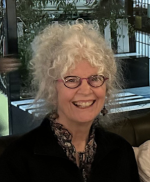
Dr Carolyn Hastie
Carolyn Hastie, RM, RN, PhD, is a Senior Lecturer in Midwifery at Griffith University with over forty years of leadership in midwifery practice and education. A mother, grandmother, and lifelong advocate for women and families, Carolyn has shaped midwifery education and services across Australia and internationally. She led the transition of midwifery education from hospital-based certification at John Hunter Hospital to an accredited postgraduate program at the University of Newcastle, co-authored the initial Bachelor of Midwifery program in Newcastle, and established an award-winning standalone midwifery service in Belmont, NSW.
Her co-edited textbook, Birth Territory and Midwifery Guardianship, is used in midwifery programs worldwide. Carolyn’s research investigates the neurophysiological connection between growth, development, and relationships, with a focus on psychophysiological approaches to birth, homebirth, attachment, and sustainable maternity care.
An accomplished educator and writer, Carolyn’s teaching style is collaborative and aims to foster confidence, teamwork, and self-efficacy in midwives. She creates supportive learning environments where midwives can thrive, so women, babies, collaborative relationships, and communities can flourish.
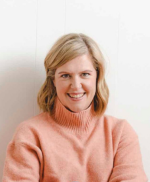
Sophie Walker
Sophie Walker is the founder and host of Australian Birth Stories, which she launched in 2017 after her own challenging first birth experience left her feeling unprepared and disempowered. Since then, the podcast has grown to feature more than 570 episodes and over 20 million downloads, and has been endorsed by the Australian College of Midwives as professional development material. With a Master’s in Public Health, Sophie is passionate about bridging the gap between clinical care and lived experience. She has developed several online education courses including The Birth Class, The Caesarean Birth Class, and Welcome to the First Trimester which have prepared more than 10,000 women for birth. Sophie is also the co-author of the bestselling book The Complete Australian Guide to Pregnancy and Birth, which has sold over 50,000 copies. Her latest release, The Complete Guide to Postpartum, continues her mission to support women beyond birth. In 2024, Sophie was honoured with the Women in Business Award at the Pause Awards for her outstanding contributions to maternal education and advocacy. Through her work, she continues to transform maternal care across Australia, empowering women through education, storytelling, and community so that no woman has to face pregnancy, birth, or early motherhood feeling unprepared or alone.
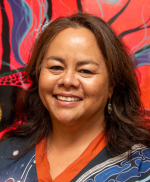
Dr Marilyn Clarke
Marilyn is a proud Worimi woman and Australia's first Aboriginal O&G specialist. She has been working as an O&G consultant on the north coast of NSW since gaining Fellowship and is passionate about rural health and First Nations women's health. She has been the Clinical Director of O&G at Coffs Clinical Network and has recently moved into a District Maternity and Women's Medical Co-lead role. Alongside her clinical work, she has been working in a research role at Southern Cross University and was recently awarded an Associate Professorship position. Her research interests include smoking cessation in First Nations women in pregnancy, culturally safe models of maternity care, and cervical screening in First Nations women in pregnancy.